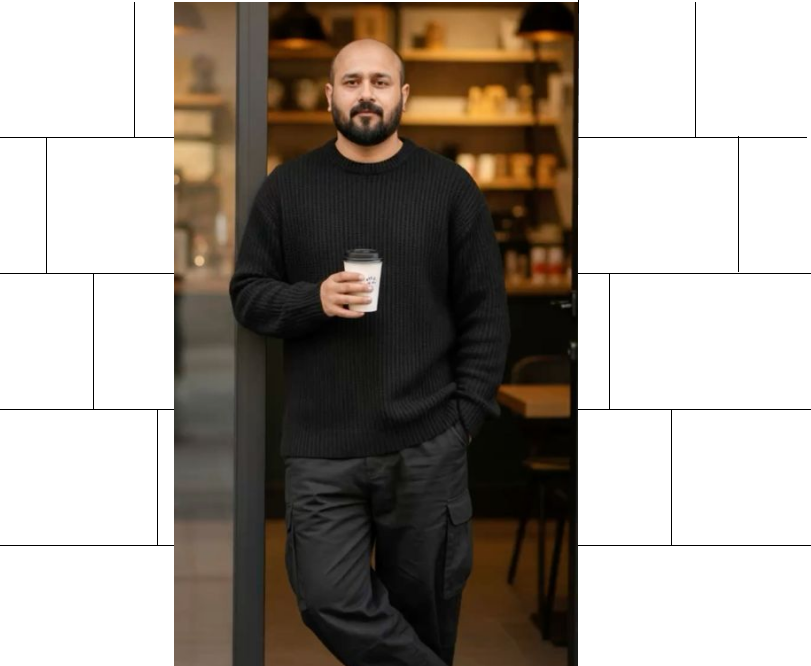


Pradipta Das · Freelance WordPress, Shopify & Next.js Developer
Every remarkable website begins long before the first line of code.
What Fifteen Years as a Freelance Web Developer Taught Me About Ideas
Somewhere along the way, I noticed that the projects which went well rarely started with a design. They started with a conversation: someone explaining, a little unsure, what they wanted to change. The idea was small and unfinished, a seed rather than a plan, and that was exactly the right place to begin.
Those conversations, with clients from India to the US, the UK, Canada and Australia, have taken me through most corners of the web: custom WordPress builds, Shopify stores, Next.js and React applications, Tailwind CSS interfaces, and the SQL and MySQL databases quietly holding it all together. The tools keep changing. The lesson hasn't: a good idea deserves patience before it gets pixels.
The Longer StoryIdeas become blueprints. Blueprints become experiences.
Why the Most Important Part of a Website Is the Part You Can't See
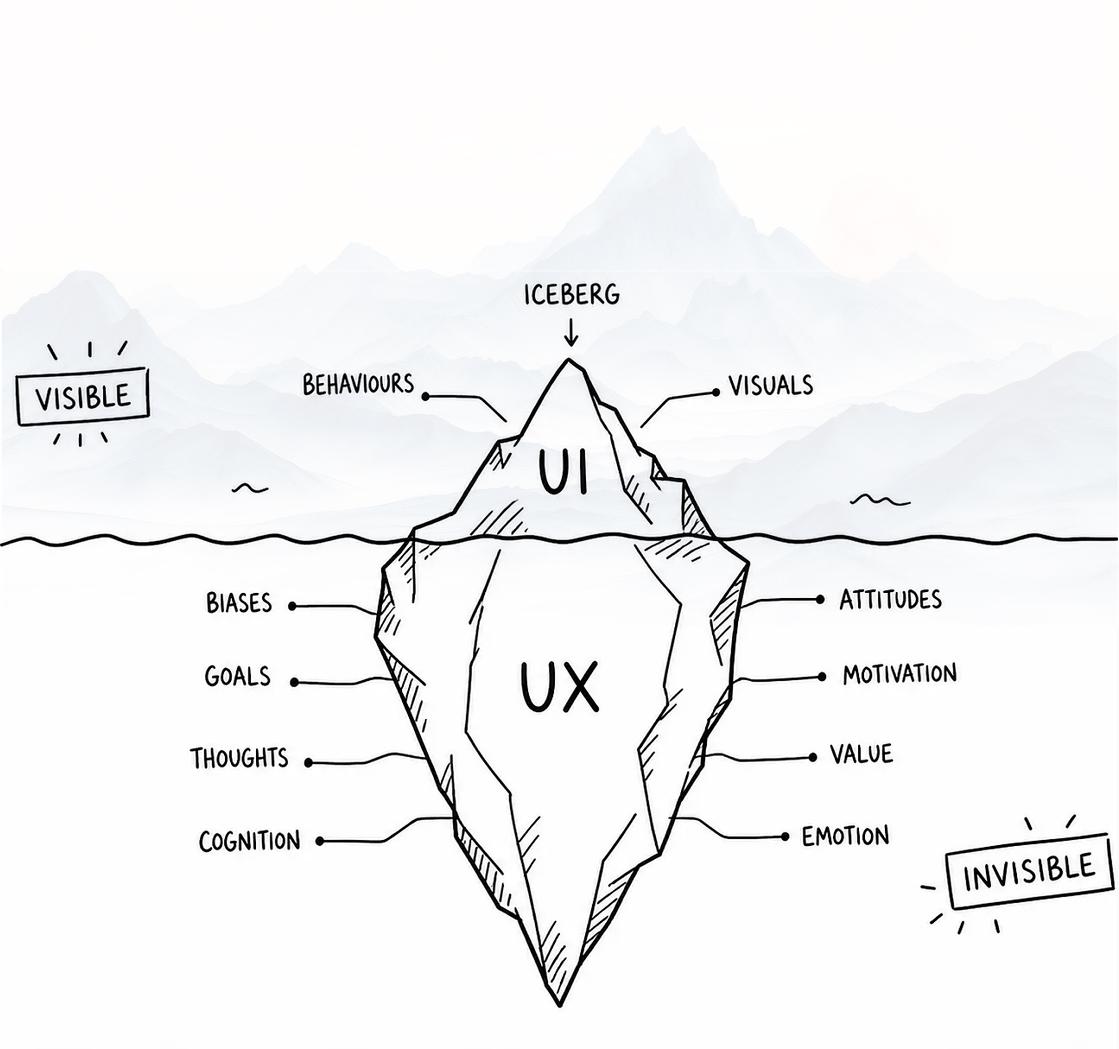
People often ask me for a new design. Usually what they are really after is a different outcome: more enquiries, a store that sells, a site their team isn't afraid to update. The design is the tip of the iceberg. The intent sits underneath it.
So my first questions are rarely about colours. Who is this for? What should they feel, and what should they do next? The answers shape the information architecture, the user journeys, the content each page needs to be found in search, and the technical SEO that holds it all up. Get the intent right and the design almost suggests itself.
See It in PracticeEvery movement
has a purpose.

From Discovery to Deployment, the Unglamorous Way
My process isn't a secret, and it isn't clever. Listen first. Sketch the structure before the screens. Choose the platform last, once the problem is clear: WordPress when content leads, Shopify when products do, Next.js and Tailwind CSS when the experience needs to be custom and fast.
Then build in small, visible steps, test on real devices, measure page speed honestly, and launch only when it's ready. Most website problems I've been asked to untangle trace back to a step someone skipped. Skipping them has never saved anyone time.
Explore CasesHuman creativity
+
Artificial intelligence
=
Better together.
Human Intelligence, Artificial Intelligence, and What Happens in Between
AI is remarkably good at the repetitive parts of web development: boilerplate, first drafts of tests, digging through documentation. What it can't do is sit with a client and hear what they didn't quite say. That part is still human, and I suspect it always will be.
The interesting work happens where the two meet. I treat AI like a fast, eager junior colleague: helpful, occasionally wrong, always reviewed. The effect is less time typing and more time thinking about architecture, accessibility and the people who will use the site. Done this way, AI-assisted web development doesn't make a website feel less human. It leaves more room for the human parts.
Try the AI Estimator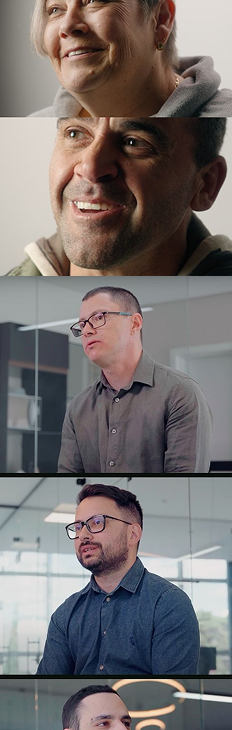
Success isn't
measured in
projects.
It's measured
in trust.
The Real X-Factor Has Always Been the People
You'll notice the faces here are drawn, not photographed. Many of the people I build for, founders, marketing teams and agencies who bring me in behind the scenes, would rather stay out of a stranger's portfolio. I respect that, so these sketches stand in for them. Discretion is part of the job.
If fifteen years have taught me anything, it's that the code is rarely the hardest part of web development. Understanding the person on the other side of the call is. Many clients have stayed for years, through redesigns, platform migrations and new ideas. That's simply what happens when people feel heard, and when the advice is honest even if it's the simpler, cheaper option.
Read Their StoriesEvery story begins...with a blank page.
Every Project Leaves a Story Behind
A hundred-odd projects, sixty brands and fifty partners later, the chronicles are mostly made of small moments: an online store that finally felt effortless, a WordPress site a team could update without calling anyone, a page that went from slow to instant.
I write some of those lessons down in The Journal. And if you're carrying a story of your own, half-formed or fully planned, I'm always happy to listen. No pitch, just a conversation.
Start a Conversation